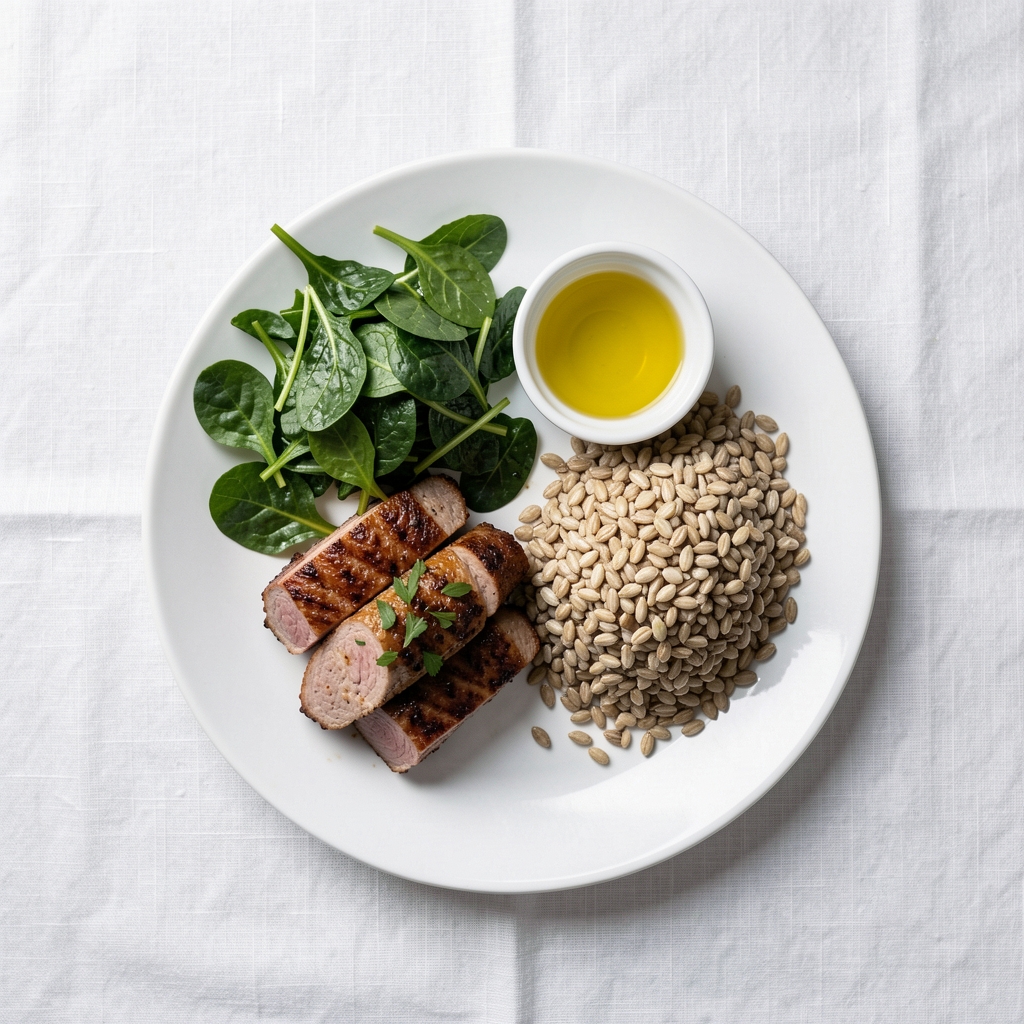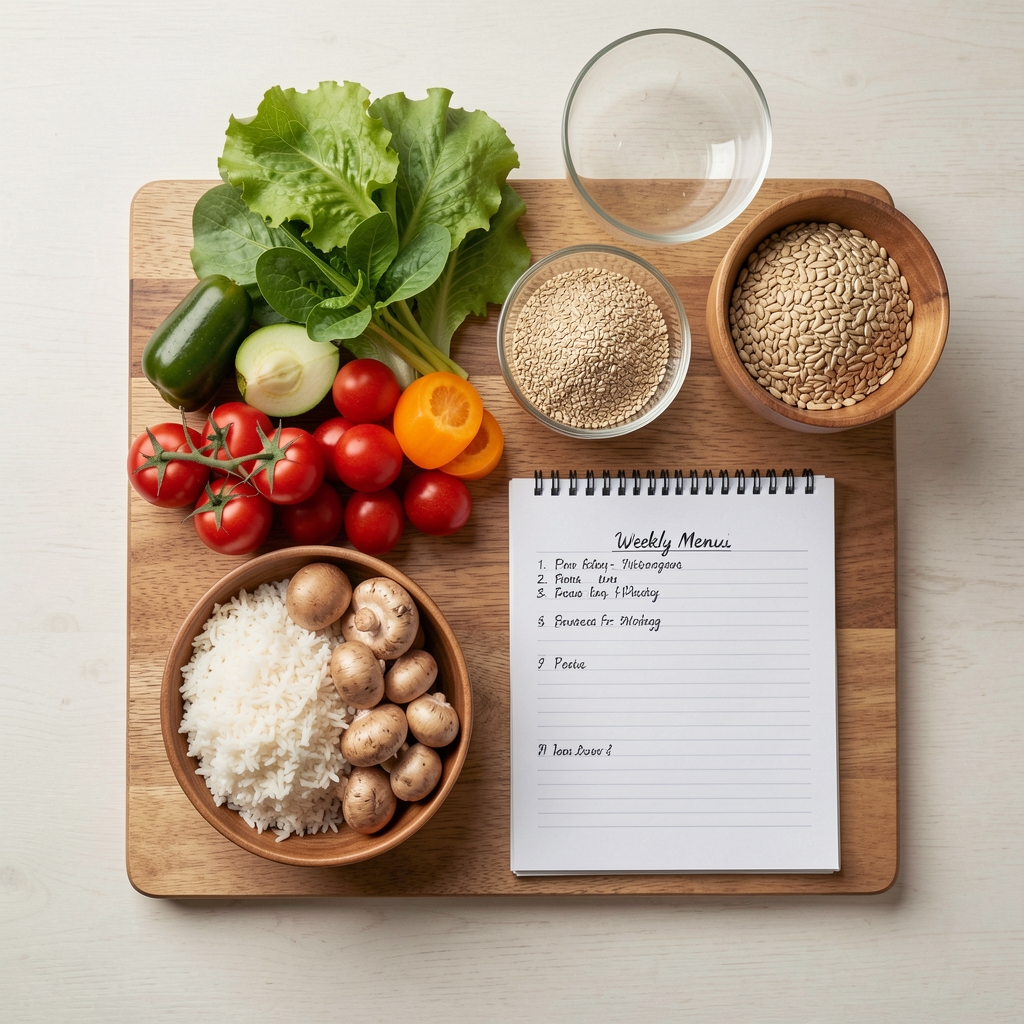

Overhead view of a carefully arranged daily meal plan on a clean kitchen table — wooden board, fresh vegetables, grains, and a handwritten weekly menu notepad
Vol. I — 2026
01 / Editorial
Everyday Nutrition

Balance.
Colour.
Rhythm.

An independent reading on how daily menus take shape — structured, seasonal, and grounded in practical nutritional reasoning.

Structured reading on the daily menu

Talep Letters publishes editorial analysis of everyday nutritional decisions. Each article examines a specific dimension of the daily menu — portion architecture, ingredient sourcing, the scheduling logic of weekly meal preparation — and presents findings in plain, evidence-grounded language.

The publication references published dietary guidelines, peer-reviewed nutritional research, and field observations from qualified nutrition professionals. Content undergoes editorial review before publication and is updated when primary sources change.

View Editorial Standards
27
Articles Published
4
Contributing Writers
12
Weeks of Coverage
3
Editorial Reviews per Article

Current Issues

What Talep Letters covers

01

Whole Food Principles

Analysis of nutrient-density measurements across minimally processed and highly processed food categories. The publication references data published by the British Nutrition Foundation and NHS dietary guidelines to contextualise practical ingredient selection for the home cook.

02

Balanced Meal Architecture

Each balanced meal article documents the macronutrient distribution across a single serving — protein-to-fibre ratio, total calorie awareness, and how the colour composition of a plate correlates with micronutrient coverage according to published nutritional scoring systems.

03

Weekly Menu Organisation

Systematic documentation of meal-preparation strategies — batch cooking schedules, grocery planning frameworks, and the behavioural research behind consistent meal-timing. Articles draw on dietary habit studies with sample sizes exceeding 500 participants.

04

Hydration Habits

Editorial coverage of fluid intake as it relates to everyday energy levels and the daily routine. Referenced against EFSA hydration guidelines. The publication distinguishes between hydration through beverages and through high-water-content food sources such as cucumbers, tomatoes, and leafy greens.

05

Sport & Active Lifestyle Nutrition

Intersection of daily nutrition and physical activity — what published sport science says about pre- and post-exercise food choices for non-professional active individuals. Topics include carbohydrate timing, fibre-rich snacks, and the role of home-cooked recovery meals.

06

Gut-Friendly Dietary Patterns

Coverage of fermented foods, fibre-rich grains, and prebiotic vegetables as documented in published gastroenterology nutrition research. Articles cross-reference with UK dietary fibre intake statistics and practical kitchen applications for everyday gut-supportive eating.

"A daily menu is a sequence of decisions — each one constrained by time, budget, and habit. Talep Letters documents those constraints precisely, rather than proposing that they disappear."
Eleanor Whitfield, Editor-in-Chief

Frequently Asked Questions

Answers to common questions about Talep Letters, its editorial scope, and how it approaches the subject of everyday nutrition.

What is Talep Letters?
Talep Letters is an independent editorial publication based in London. It covers the subject of everyday nutrition and daily menu organisation through structured, evidence-referenced articles written by qualified nutrition writers and contributing specialists. The publication does not sell products or offer personal dietary programmes.
Who writes for Talep Letters?
Articles are produced by the publication's two primary editors, Eleanor Whitfield and Tobias Marsden, alongside a rotating pool of guest contributors. All contributors have documented backgrounds in nutrition writing, dietetics research, or food journalism. Contributor credentials are reviewed at the time of commission.
How does the publication select article topics?
Topic selection follows a structured editorial calendar reviewed quarterly. Priority is given to subjects where recent published nutritional research has updated previously held positions, and to practical daily-routine questions that generate repeated reader enquiries. Topics that cannot be adequately grounded in published sources are deferred.
Does Talep Letters provide personal nutritional guidance?
No. Articles published by Talep Letters are editorial in nature and reflect the writers' observations on everyday wellness practices. Readers with specific concerns about their daily routines are encouraged to speak with a qualified wellness professional. The publication does not substitute for individual assessment by a nutrition specialist.
How often are articles published?
Talep Letters publishes a minimum of two full-length articles per month. Shorter field notes and editorial corrections are published as needed. All content is dated, and significant updates to existing articles are noted with a revision date alongside the original publication date.
Can I contribute an article or suggest a topic?
Topic suggestions and contributor enquiries are accepted via the contact form on the Contact page. All submissions are reviewed against the publication's editorial standards. Unsolicited full manuscripts are read but not supported a response within a specific timeframe.

The Talep Letters dispatch

A monthly summary of newly published articles, editorial updates, and reader-selected readings from the archive. No promotional content. No external partnerships disclosed in the newsletter itself.